
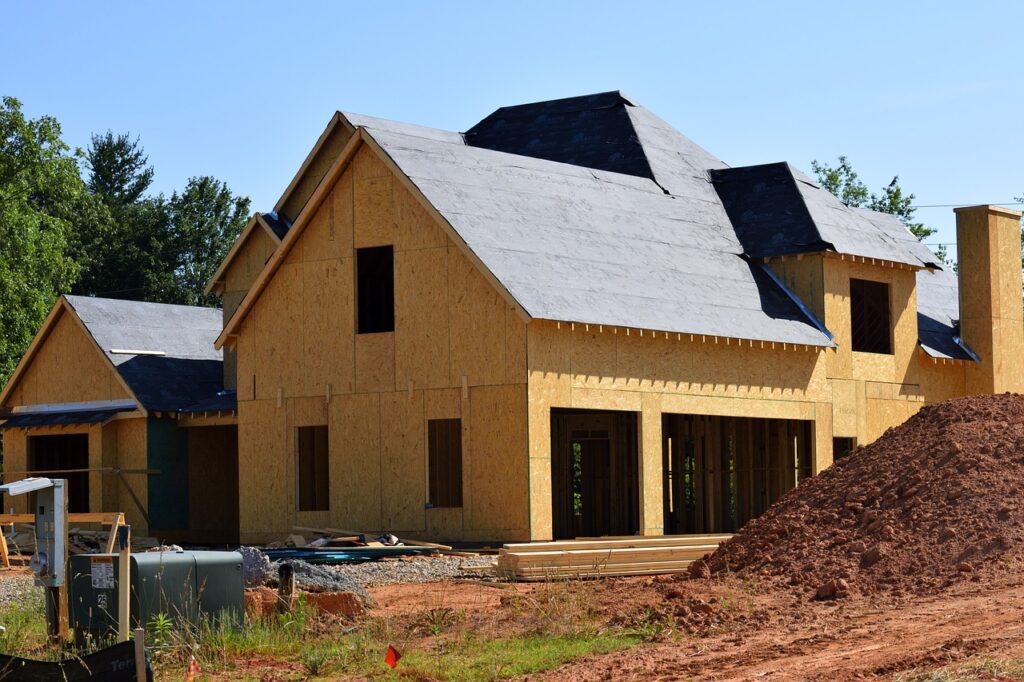
Are you considering building your dream home from the ground up? If so, you may need to familiarize yourself with the concept of a ground up new construction loan. This type of loan is specifically designed to fund the construction of a brand new home, starting from scratch. In this article, we will explore the basics of new construction loans, the benefits they offer, how to qualify for one, and the process of obtaining such a loan.
A ground up new construction loan is a financial tool that provides funding for the entire construction process, from the purchase of the land to the completion of the new home. Unlike a traditional mortgage loan, which is used to purchase an already-built property, a new construction loan is tailored to meet the unique needs of home builders. This type of loan allows you to finance the cost of land, materials, labor, and other expenses associated with building a new home. Whether you are a homeowner planning to build your dream house or a developer looking to construct multiple properties, understanding the ins and outs of a ground up new construction loan is crucial for a successful project.
Understanding the Basics of New Construction Loans
If you’re looking to build your dream home from scratch, a ground-up new construction loan can provide the financing you need to make it a reality. These loans are specifically designed for the construction of a brand new home and differ from traditional mortgage loans. With a new construction loan, the funds are not given to you all at once but instead are disbursed in stages as the construction progresses. This ensures that the lender has some control over the project and can monitor its progress before releasing additional funds.
One of the main advantages of a ground-up new construction loan is that it allows you to customize every aspect of your home. From the layout and design to the materials used, you have complete control over the construction process. This level of customization is not typically available when purchasing an existing home. Additionally, new construction loans often offer more favorable terms than traditional mortgage loans. Lenders understand that there is some inherent risk in financing a construction project, so they may require a larger down payment or charge a higher interest rate. However, once the construction is complete, you can typically refinance the loan into a traditional mortgage with more favorable terms. Overall, a ground-up new construction loan can be a great option for those who want to build their dream home exactly the way they envision it.
The Benefits of a Ground Up Construction Loan
When you opt for this type of financing, you’ll enjoy a range of advantages that come with starting a project from scratch. One of the main benefits of a ground up construction loan is that it allows you to have complete control over the design and layout of your new building. You can work closely with architects and contractors to create a space that meets your specific needs and preferences. Whether you’re building a new home or a commercial property, this level of customization can ensure that the final result is exactly what you envisioned.
Another advantage of a ground up construction loan is that it can often be more cost-effective than purchasing an existing property. With a new construction loan, you have the opportunity to negotiate with contractors and suppliers to get the best possible prices for materials and labor. Additionally, you can incorporate energy-efficient features and modern technologies into the design, which can lead to long-term savings on utility bills. Overall, a ground up construction loan provides the flexibility and control to create a space that is tailored to your needs, while also potentially saving you money in the long run.
Qualifying for a New Construction Loan
Imagine the excitement and pride you’ll feel when you qualify for a loan to bring your dream project to life. Qualifying for a new construction loan is a crucial step in turning your vision into reality. To be eligible for this type of loan, you will need to meet certain criteria. Lenders typically require a solid credit history, a stable income, and a low debt-to-income ratio. They want to ensure that you have the financial means to repay the loan and that you are a reliable borrower.
In addition to financial qualifications, lenders will also evaluate the project itself. They will assess the feasibility and profitability of the construction project. This includes reviewing the plans, permits, and cost estimates. Lenders want to see that the project has a realistic timeline and budget. They may also require a down payment or collateral to mitigate their risk. By meeting these requirements, you demonstrate to lenders that you are a capable borrower and that your project is worth investing in. Qualifying for a new construction loan is a significant achievement that opens the door to turning your dream into a tangible reality.
The Process of Obtaining a Ground Up Construction Loan
Obtaining a loan for a project starting from scratch involves a meticulous process that encompasses the evaluation of the construction plans, cost estimates, and project feasibility. The first step is to present a detailed construction plan to the lender, including architectural drawings, engineering plans, and a timeline for completion. The lender will carefully review these plans to ensure that they meet all building codes and regulations. Additionally, a cost estimate is crucial, as it determines the amount of funding needed for the project. This estimate will include materials, labor, permits, and any other expenses associated with the construction.
Once the lender is satisfied with the construction plans and cost estimate, they will evaluate the project’s feasibility. This involves assessing the potential risks and rewards of financing the construction. The lender will consider factors such as market demand, location, and the borrower’s experience in the construction industry. They will also review the borrower’s financial standing, credit history, and ability to repay the loan. If the project is deemed feasible and the borrower qualifies, the lender will proceed to the next step of the loan process, which involves underwriting and closing the loan. This includes verifying the borrower’s income, assets, and liabilities, as well as conducting a title search and appraisal of the property. Once all the necessary documentation is completed and reviewed, the loan will be finalized, and the borrower can begin the ground up construction project.
Tips for a Successful New Construction Project
Don’t miss out on the opportunity to create your dream project with these tips for a seamless and rewarding construction experience. Planning is key to a successful new construction project. Start by outlining your goals and objectives, and create a detailed project plan that includes a timeline and budget. This will help you stay organized and ensure that everything runs smoothly from start to finish.
Communication is also crucial during a new construction project. Make sure you have open lines of communication with your contractor, architect, and any other professionals involved in the project. Regularly check in with them to discuss progress, address any concerns or changes, and ensure that everyone is on the same page.
Another important tip is to carefully choose your team. Hire experienced professionals who specialize in new construction projects. They will have the knowledge and expertise to handle any challenges that may arise and can help you navigate through the entire process.
Additionally, don’t forget to regularly inspect the construction site. This will allow you to identify any issues or potential problems early on and address them before they become major setbacks. Regular inspections also ensure that the construction is progressing according to plan and that the quality of work meets your expectations.
Lastly, be prepared for unexpected delays or changes. Construction projects can often encounter unforeseen circumstances such as weather conditions or supply chain disruptions. Having a contingency plan in place will help you navigate these challenges and keep your project on track.
By following these tips, you can ensure a successful new construction project and bring your dream project to life.